Are You Using The Right Bucket For The Job? Yes, There Is A Difference Daniel Mitchell in home living 6/17/25 This article may contain affiliate links, learn more.
Not all buckets are built the same, and if you’ve ever found yourself trying to haul grout mix in a cheap plastic tub or soaking paint rollers in a warped old pail, you’ve probably learned that the hard way. Buckets are one of the most overlooked tools in any home project, since using the wrong one can lead to spills, wasted materials, and even injuries. Here’s how to choose the right kind for your project.
Some buckets are designed to handle serious weight while others are meant for lighter use, like carrying water or holding tools. A heavy-duty contractor bucket, usually made from thicker plastic with reinforced handles, won’t crack under pressure. But that thin cleaning pail from the grocery store? It might buckle when filled with gravel or cement. Consider the material and design before you lift anything heavier than water.
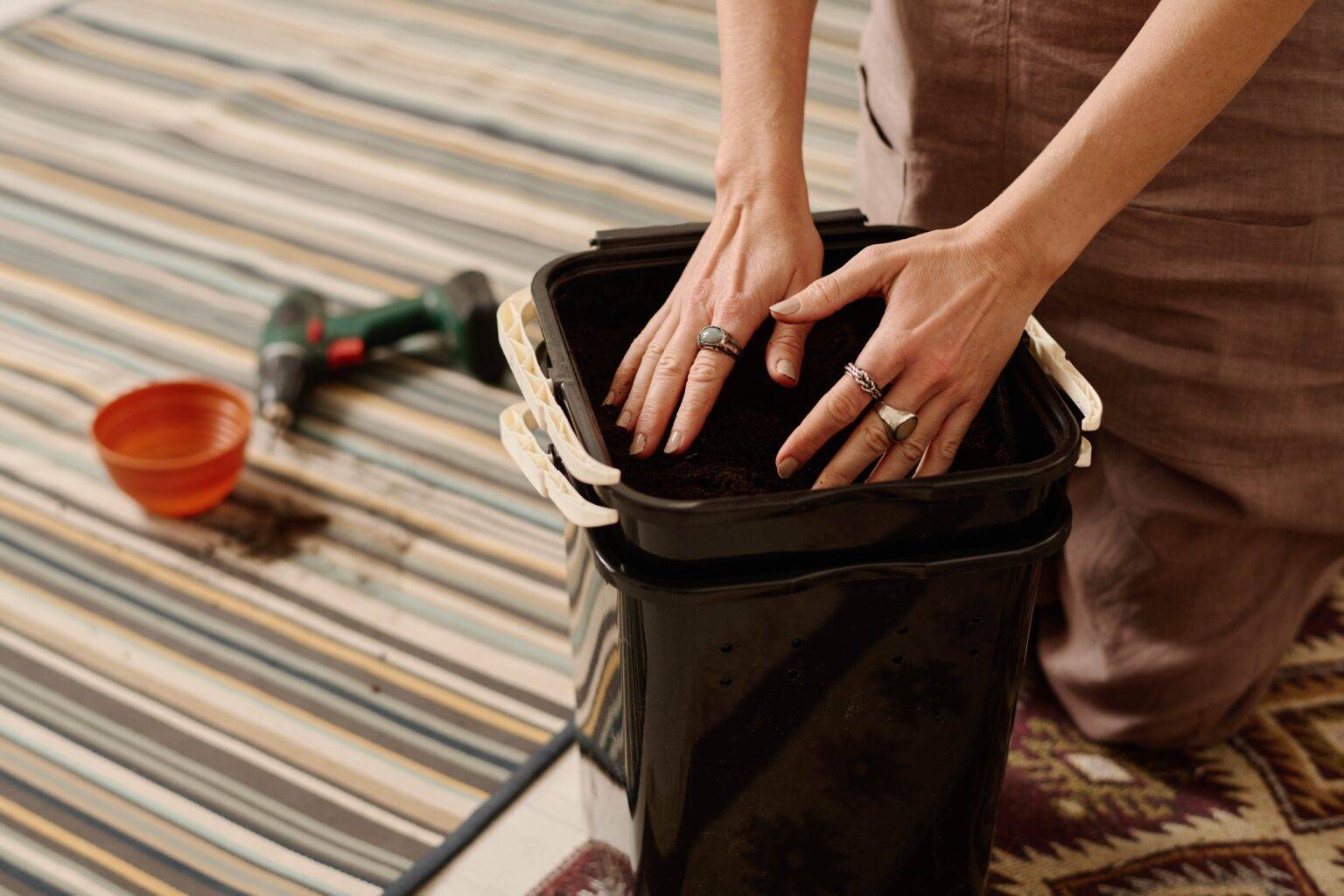
Photo Credit: Envato Elements / VforVictoria
It’s easy to assume that bigger is always better, but not every project calls for a 5-gallon bucket. Smaller 2-gallon options are easier to carry and pour from when you’re mixing small batches of paint, mortar, or any other material. Larger buckets are great for transporting water or holding tools on-site, but they can become heavy fast, creating something you don’t really want to be hauling around. Matching the size to the task helps prevent both spills and strain in the long run.
Now retrieving an image set.
Photo Credit: Envato Elements / NataKor5
If you’re working with paint thinner, adhesive removers, or concrete additives, not every bucket can take it. Some plastics will break down or become brittle when exposed to certain chemicals. Look for buckets marked as chemical-resistant, especially if you’re doing anything with solvents or industrial cleaners. It’s a safety issue as much as a durability one.
Photo Credit: Envato Elements / doralinsamuel
One weak spot on any bucket is the handle. If it snaps mid-lift, you’re left with a mess and possibly an injury too. Metal handles are stronger than plastic ones, but also check how well they’re attached. A good handle should feel secure and comfortable in your hand. Some even come with rubber grips for extra comfort when carrying heavy loads.
Photo Credit: Envato Elements / Pressmaster
Liners, lids, wringers, and roller grids might sound like overkill, but they can take your project setup from frustrating to functional. Liners make cleanup faster, roller grids make painting smoother, and wringers are a must for any deep cleaning. Kids help ensure no debris gets into your material and can help extend the life of any liquids inside. Buckets may be a simple item, but the right add-ons turn them into task-specific tools, making them all the more useful.
Now retrieving an image set.
Photo Credit: Envato Elements / shotprime
It’s easy to underestimate a bucket, but once you start paying attention to what you’re using and why, you’ll see how much smoother the job goes. From mixing compounds to painting walls to storing tools, there’s a bucket built for that task. Taking a few moments to choose the right one can mean the difference between a job well done and a frustrating cleanup.
Daniel Mitchell I write for manmadediy. Next Post
Source: Original Article