Home » Canning » Canning SafetyWhich is Better? Pressure Canning vs Water Bath: BySharon Peterson Hours June 9, 2025
This page may contain affiliate links. More Information.
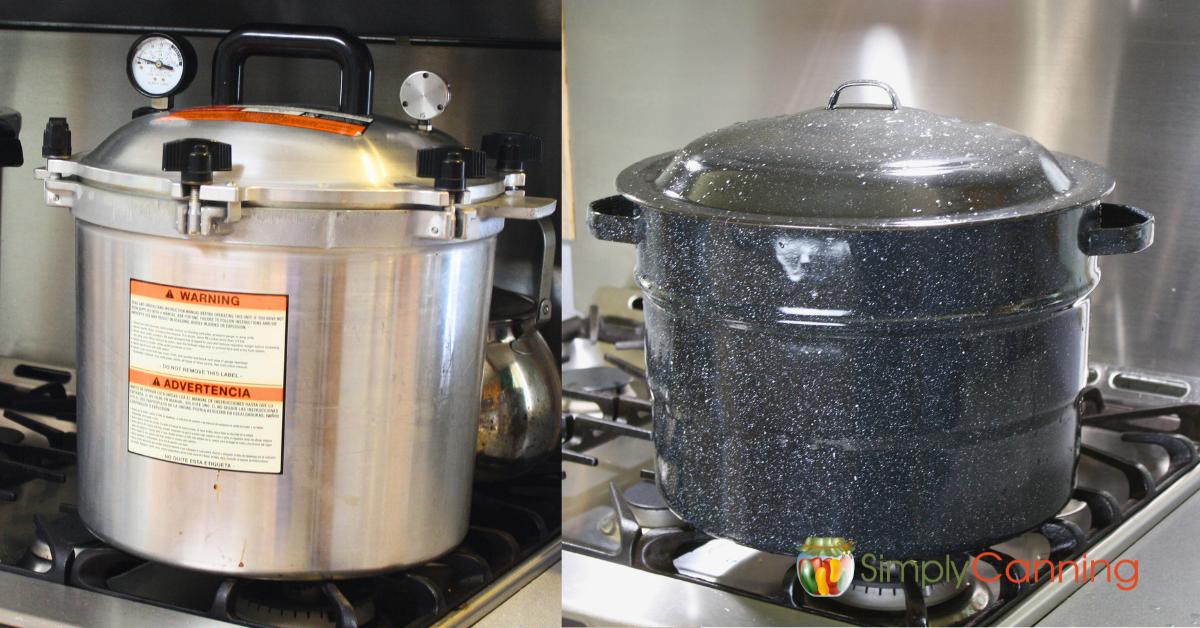
It’s not about better—it’s about what you’re canning. Pressure canning vs Water bath.
Each has its place.
Let me reassure you: Once you understand what each method does (and when to use it), you’ll be well on your way to knowing what canning recipe to use and confidently filling your jars.
Table of Contents
Water bath canning is the easier of the two methods—and a great place to start. The basic steps are: fill your jars, leave correct headspace, add lids, and place jars in a pot of boiling water, process for a set time, and call it done. No pressure gauge. No scary valves.
Best for high-acid foods like:
Because these foods are naturally acidic, the boiling water is enough to destroy bacteria and spoilage organisms. Vinegar is what makes some vegetables safe in a water bath. Pickled carrots anyone?
Want to get started? Check out my full tutorial on how to use a water bath canner.
Printable water bath checklist.
Bonus: That page includes a printable water bath checklist to guide you through your first few batches.
Now retrieving an image set.
Need to choose a water bath canner? Or wonder what you can use instead? Check this page for canner styles and stock pot alternatives.
Now let’s talk about pressure canning. This method is for the serious stuff—low acid vegetables and meat that need higher temperatures (240–250°F) to kill off harmful bacteria like Clostridium botulinum (you know, the botulism one).
Pressure canners are sealed pots that build up steam pressure to reach those higher temps. You’ll need one specifically made for home canning—not an electric pressure cooker or Instant Pot.
Pressure canning is essential for:
New to pressure canning? I walk you through everything here:
And yes—there’s a printable pressure canning checklist on that page too!
FeatureWater Bath CanningPressure CanningTemp212°F (boiling)240–250°F (pressurized)Food TypeHigh-acid only
fruits, jam jelly, pickled itemsLow-acid required
all meat and vegetables, soupSafety ConcernsMold/spoilageBotulism (don’t worry it’s easy to avoid)Equipment NeededLarge pot with rackPressure canner (not a cooker)Beginner Friendly?Yep!A little more advanced, but not hard at all.
Bottom line? Water bath canning is your jam (literally), but pressure canning opens the door to hearty meals, home-canned veggies, and meat from your freezer stash.
Yes! Steam canning is a third option approved for high-acid foods. I figured I’d mention it here. It works as an alternative to water bath canning but uses steam instead of boiling water. It’s faster, uses less water, and heats up quicker.
Think of steam canning as the water bath method’s efficient cousin.
Now retrieving an image set.
Steam Canning Options; Instead of a Water Bath
If you’re only planning to can fruit, jam, or pickles, water bath might be all you need. But if you’ve got a garden full of green beans or want to preserve your famous beef stew, pressure canning is a must.
Here’s what will likely happen: many canners start with water bath, gain confidence, then move on to pressure canning when they’re ready to branch out. It’s totally okay to take it one step at a time.
Still have questions about equipment, jar prep, or headspace? I created a full Q&A page to tackle those “why-is-my-lid-not-sealing” moments.
Whether you’re using a water bath or a pressure canner, the goal is the same: safe, shelf-stable food made with love. You don’t have to know it all today. Just keep learning, keep asking questions, and follow tested recipes.
You’ve got this— Home food preservation; You must do it right… but right doesn’t mean hard!
Which is better: pressure canning vs water bath?
It’s not about better—it’s about what you’re canning.
Use water bath for high-acid foods like jams and pickles.
Use pressure canning for low-acid foods like vegetables, meat, and soups.
Each has its place.
Is it better to pressure can or water bath tomatoes?
You can do either—but it depends.
Water bath is safe only if you add lemon juice or citric acid.
Otherwise, use a pressure canner for safety.
More here on how to can tomatoes
What are the advantages of pressure canning?
Safely preserves low-acid foods
Shelf-stable meals, veggies, and meats
Higher temp = better botulism protection
Learn more about the advantages of pressure canning here.
What are the advantages of water bath canning?
Easy and beginner-friendly. No special equipment needed
Perfect for jams, jellies, pickles
Learn more about the advantages of water bath canning here.
Source: Original Article